Regular bike servicing helps keep your bike running smoothly, safely and efficiently, while helping to prevent costly repairs caused by worn or damaged components. Just like any piece of equipment, your bike performs best when it's maintained regularly.

Preventative maintenance is often far more cost-effective than replacing parts after they fail. A professional service allows potential issues to be identified early, helping to extend the life of key components and keep your bike performing at its best.

Why Service your bike?

Regular bike servicing helps keep your bike running smoothly, safely and efficiently, so you can enjoy every ride with confidence.

Just like any machine, bikes experience wear and tear over time. Regular servicing allows trained technicians to identify worn components before they become larger issues, helping to prevent unexpected breakdowns and more expensive repairs.

During a service, key components such as bearings, chains, brake pads, tyres and drivetrain parts can be inspected for wear and replaced when needed, helping to maintain performance, reliability and safety.

Preventative maintenance is often far more cost-effective than replacing damaged components after failure, making regular servicing a smart investment for every rider

FIND YOUR LOCAL STORE

How Often Should You Service Your Bike?

As a general guide, we recommend booking a professional bike service at least twice a year – once at the start of spring and again heading into autumn.

Regular servicing helps monitor wear-and-tear items such as chains, brake pads, bearings, tyres and drivetrain components, giving you a clearer understanding of when parts may need replacing before issues develop.

Riders who cycle frequently, commute daily or ride in wet and muddy conditions may benefit from more regular servicing.

Keep Your Bike Clean Between Services

Professional servicing is important, but regular cleaning and lubrication can help extend the life of your bike between workshop visits.

Keeping your bike clean helps prevent dirt, grit and moisture from accelerating wear on key components. Regularly lubricating or waxing your chain and drivetrain can improve performance, reduce friction and help components last longer.

A clean, well-maintained bike not only rides better but can also help reduce long-term maintenance costs.

Basic Safety Check

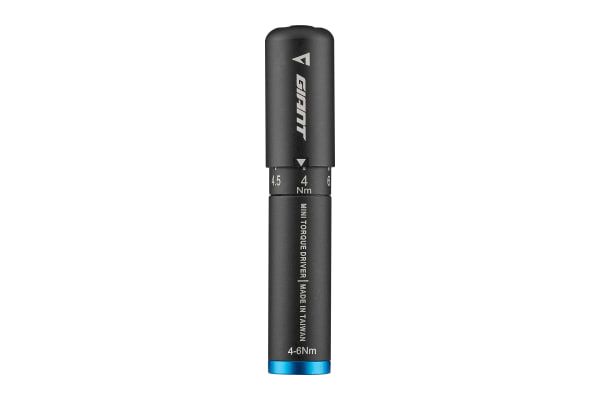
A basic safety check should be carried out on your bicycle once every 7-14 days, or before any long ride is undertaken. This health check takes into account the major moving parts in an 'M' shape, starting from the front wheel and moving backwards. When tightening any bolts, please refer to the correct torque setting - it will either be highlighted on the component, or in your owner's manual/handbook. We highly recommend using a torque wrench when adjusting any bolts.

Once you've performed the check a few times, you should be able to run over a full bike within 5 minutes and will start to become second nature before taking your bike out for a spin. If you find a problem during your checks, contact your nearest retailer to get booked in for a bike service or repair.

Many retailers will offer this service for free, so if you are unsure about any of the safety check steps, find your nearest Giant retailer and get in touch to arrange your safety check.

wheel
Step 1 - Wheels & Hubs
Check it is securely fitted via the quick release skewer or the thru-axle bolt. If the wheel is loose, then ensure it is tightened while the bike is sat on the ground to confirm the wheel is sat correctly in the dropouts. Check the hub is in good condition by rocking the wheel side to side, checking if there is any play or unnatural movement. Then give the wheel a spin - if there's any grinding or the hub isn't spinning freely, then it could be time to replace the bearings.
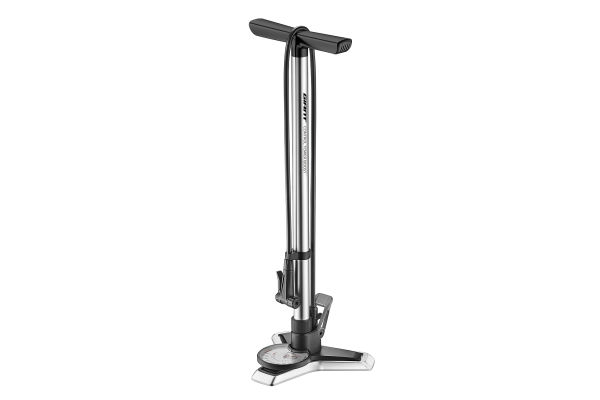
track pump
Step 2- Tyres
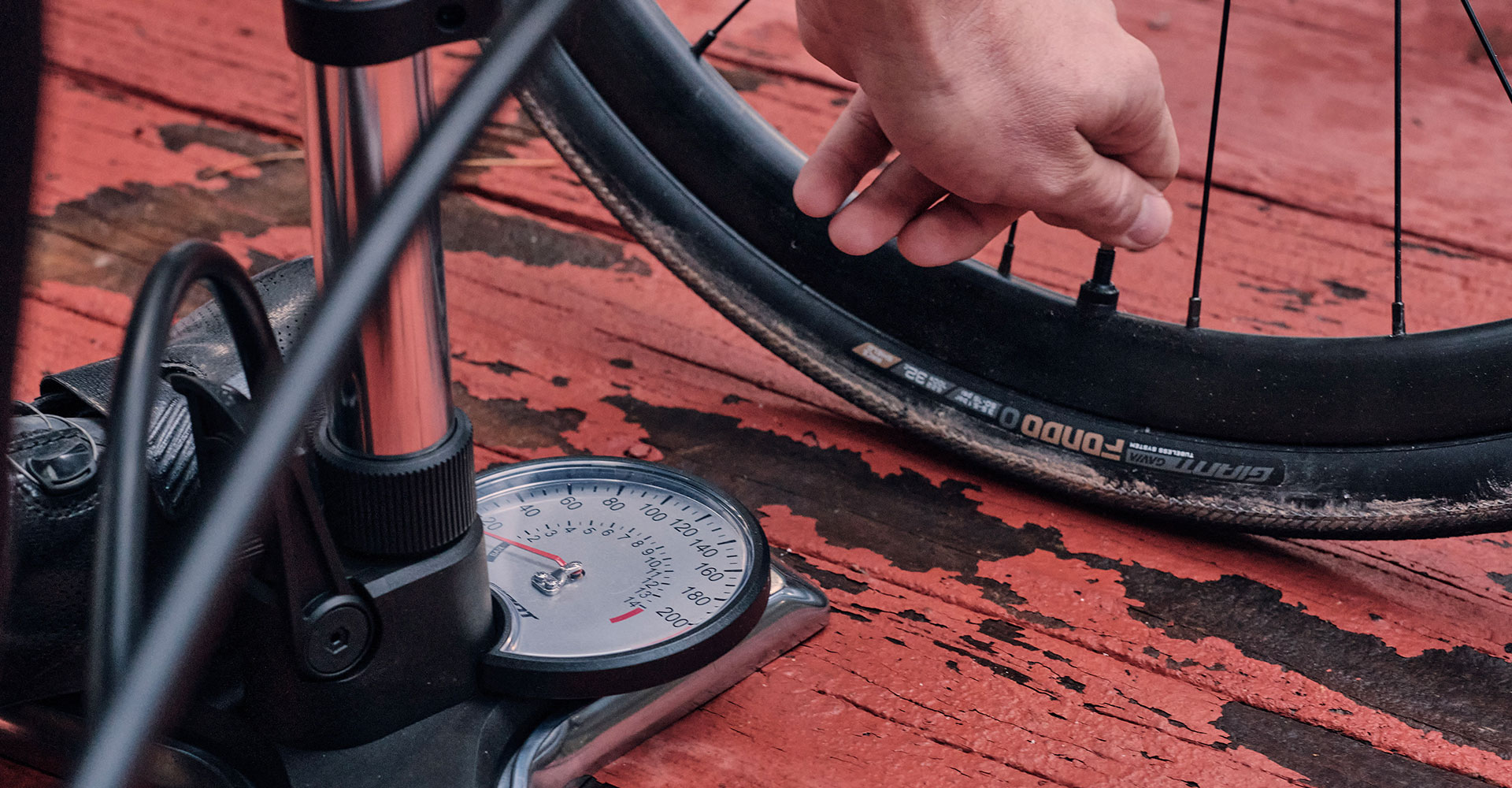
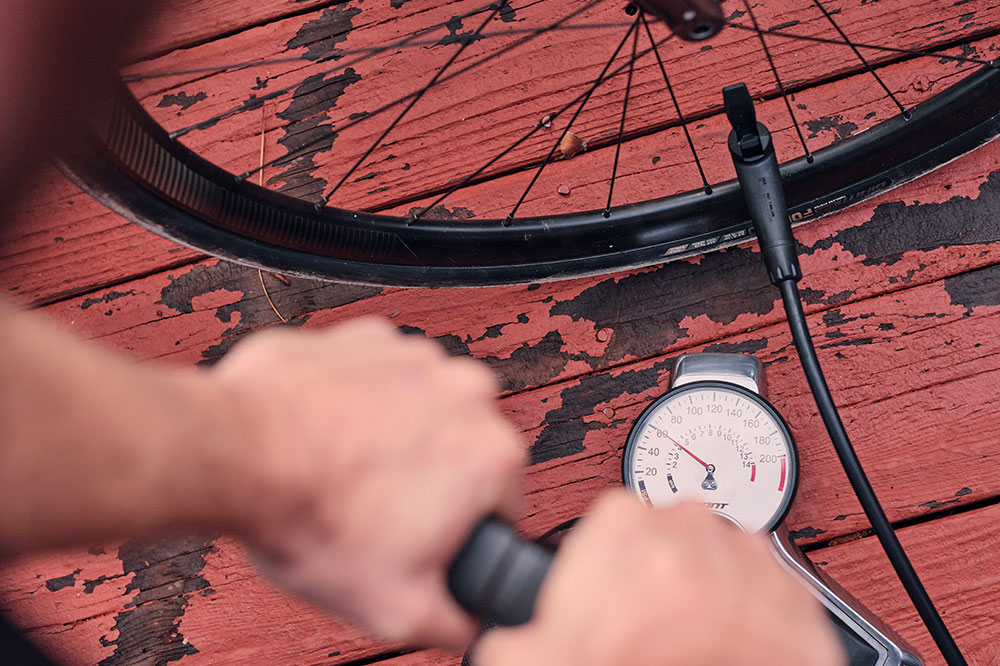
Check the tyre pressure is at the correct level using a floor pump. Secondly, perform a visual inspection of the tyre to check for any thorns, cuts, debris etc and consider replacing the tyre if any damage is found. Thirdly, inspect the tyre is seated correctly around the rim - tyre manufacturers usually include a safety line on the tyre, so its quick and easy to perform a visual inspection.
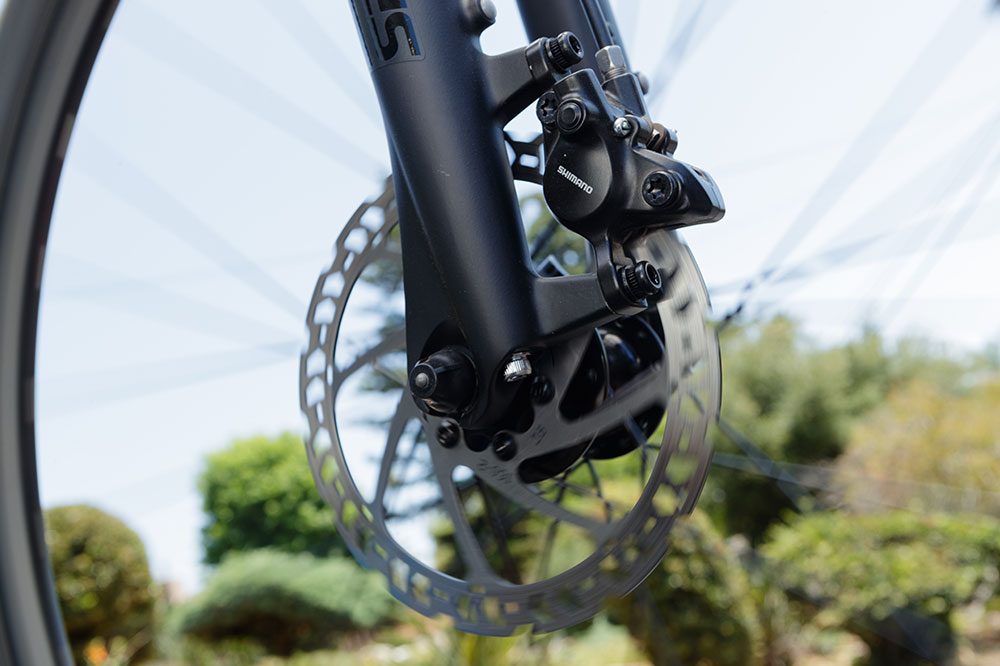
Giant disc brake
Step 3 - Brakes
While the wheel is spinning from step 1, you can check the brakes are working properly. Give the brake lever a squeeze - if there is excessive force required to get the wheel to stop, or the braking feels spongy, the cable tension may need inspecting. Another thing to check is the wheel runs freely through the brake calipers - listen out for rubbing against the brake pads. If there is, it will need adjusting.
Giant bike headset
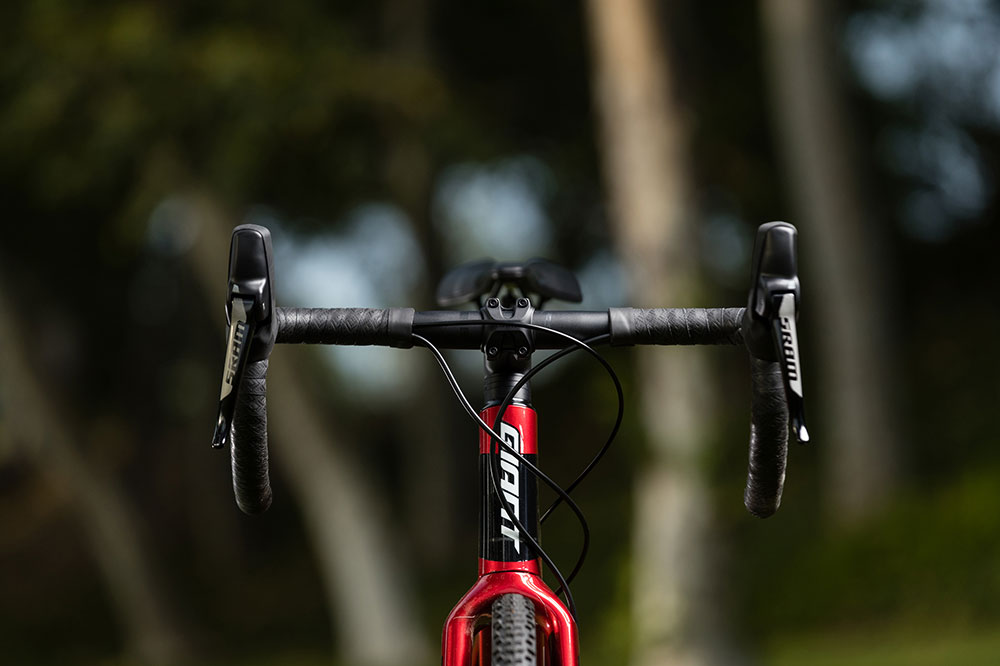
Step 4 - Headset
Check if there is any rocking or clicking in the headset. Perform this check by firmly grasping the head tube with one hand and applying the front brake with the other hand. This will steady the front of the bike so that you can shake the headset to establish any rocking or clicking in the bearings. If there is movement ensure the headset and stem are tight but don’t go too far as you will restrict handlebar movement.
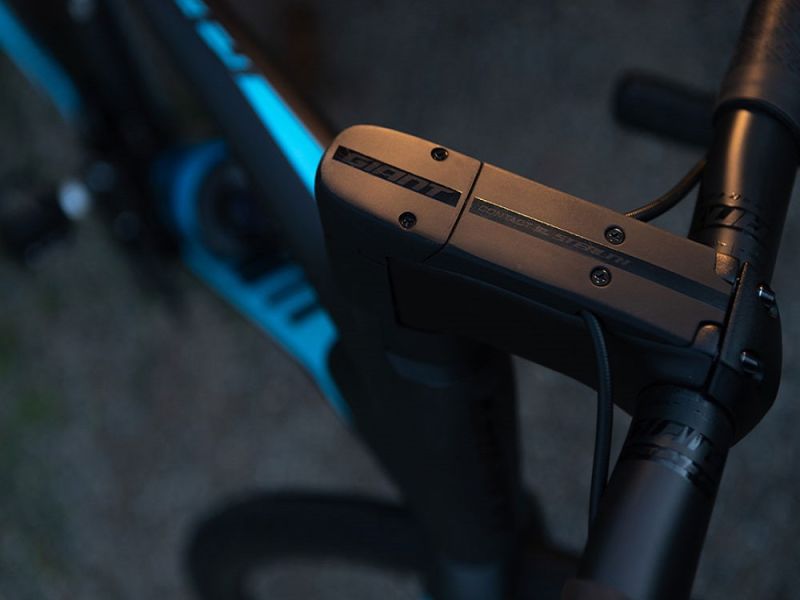
Giant bike stem
Step 5 - Stem / Bars
Check that your front wheel and stem do not move independently of each other and that your clamp bolts are tight. Also check that the stem is completely in line with your front wheel.
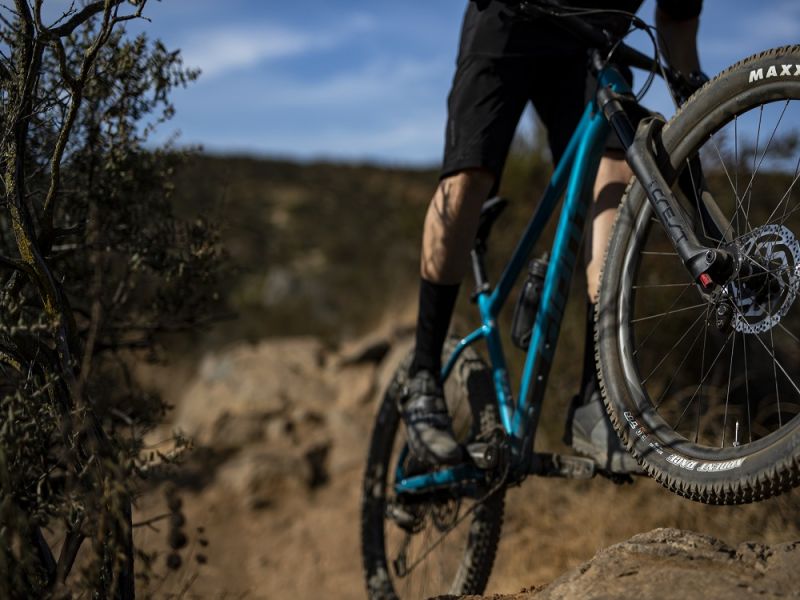
Giant mountain bike
Step 6 - Frame
Check for any damage, cracks or rust to the frame. This check requires focus on the area where the frame connects to the head-tube and around the bottom bracket.
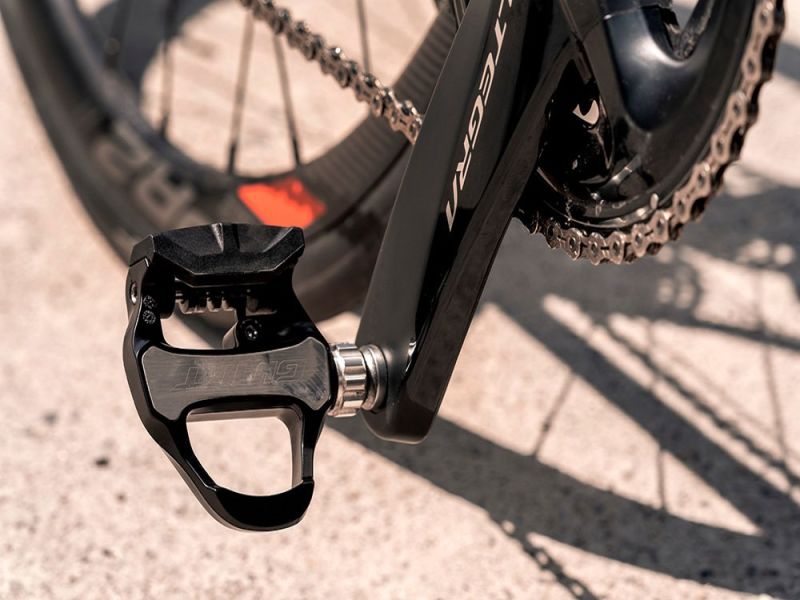
pedals
Step 7 - Pedals & Chain
Make sure the pedals are attached securely but move freely. Check the bike chain has been cleaned and make sure you regularly lube your chain with oil, watch out for any signs of chain rust. Check the chain-rings for missing or worn teeth.
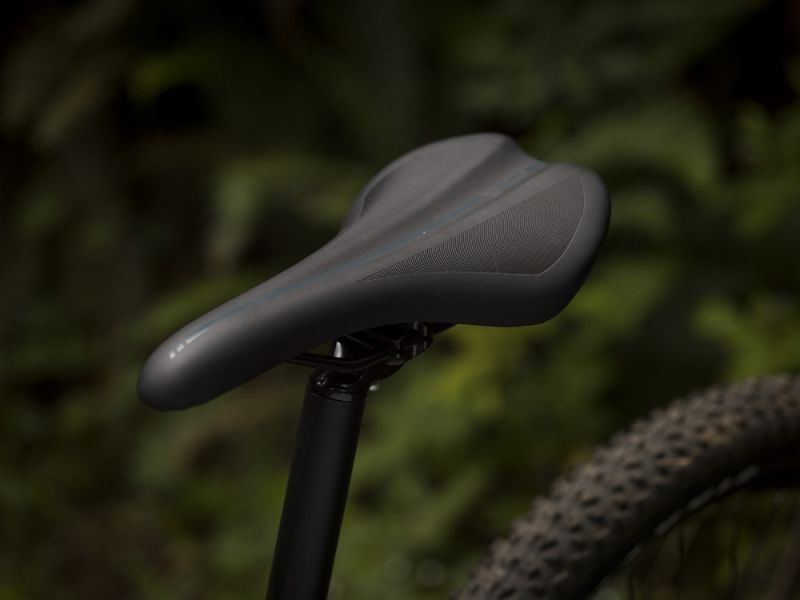
Giant saddle
Step 8 - Saddle
Check that the saddle is secure on the seat post, does the seat-post move when applying pressure? Is your saddle aligned to the correct height? Make sure that you haven’t exceeded the max torque limit.

Giant's Lifetime Warranty

Despite your best efforts of maintaining and looking after your bike, things can occasionally go wrong. That's why at Giant, we offer a lifetime warranty on bikes manufactured from 2012 onwards, giving you added peace of mind that if the unthinkable does happen, we've got you covered. 

For more information on Giant’s warranty policies please check out our warranty page.

Learn More

FAQ's

A free first service is not offered as standard when purchasing through click and collect. Some retailers may offer this, however it is purely on a store by store basis. If a free first service is important, please check with the store directly about their servicing policy before completing a purchase. Use our retailer finder page above to get the store’s contact details.

The cost of a bike service can vary, depending on how much work needs doing to your bicycle. Stores generally have a tiered approach, with a standard service covering the basic functions, up to a full strip down service where every part of the bike is checked, cleaned and adjusted. The main cost from a service comes from the labour charge, so work that requires more of the mechanics time will cost more. At Giant, we only work with independent bike retailers. This means that each one has their own service pricing policy, therefore it's difficult to put an exact figure on it. Some stores also run promotions and offers at various times, so it’s always worth speaking with your local bike retailer before booking your bike in.

It is recommended that you should take your bike in for a service check roughly around 3 months of owning the bike, just to see if there are any manufacturing defects. After this period it is recommended that you take your bike in for a minor service check every 12 months. However this does depend on how much you use the bike. If you’re riding your bike frequently you may not want to wait a year, especially mountain bikes that go through more wear and tear on downhill tracks.

Yes - If your bike has a specific issue, then the retailer will be able to focus on that particular part instead of undertaking a full service. Please speak to your local retailer and they will be able to advise further.

Yes, the majority of our retailers can service any bikes, including non-Giant products. If you contact your local retailer, they can provide more information about servicing your particular bike brand.

Bike maintenance at home is equally as important as getting it serviced each year. Make sure to clean your bike regularly with soapy water, wipe the bike chain using a rag to remove any excess dirt. Make sure that your chain is well lubricated, however do not overuse the lubricant, you do not want to attract any more dirt to the chain. Finally we advise performing the basic safety check above before each journey, focusing on the tyres, brakes and the chain in particular. Beyond this, how much of the maintenance you do yourself will come down to your experience, your confidence and also what tools you have available. Replacing certain parts for example a cassette or a bottom bracket need specialist tools and in these cases along with a few others it’s worth getting your local retailer to complete the work.

For the more basic bicycle servicing, it should only take a short amount of time. However, if your bike needs more advanced repairs, your bike may be kept for numerous days as the mechanics may need to use specialist tools on the bike repairs, making it more time consuming.