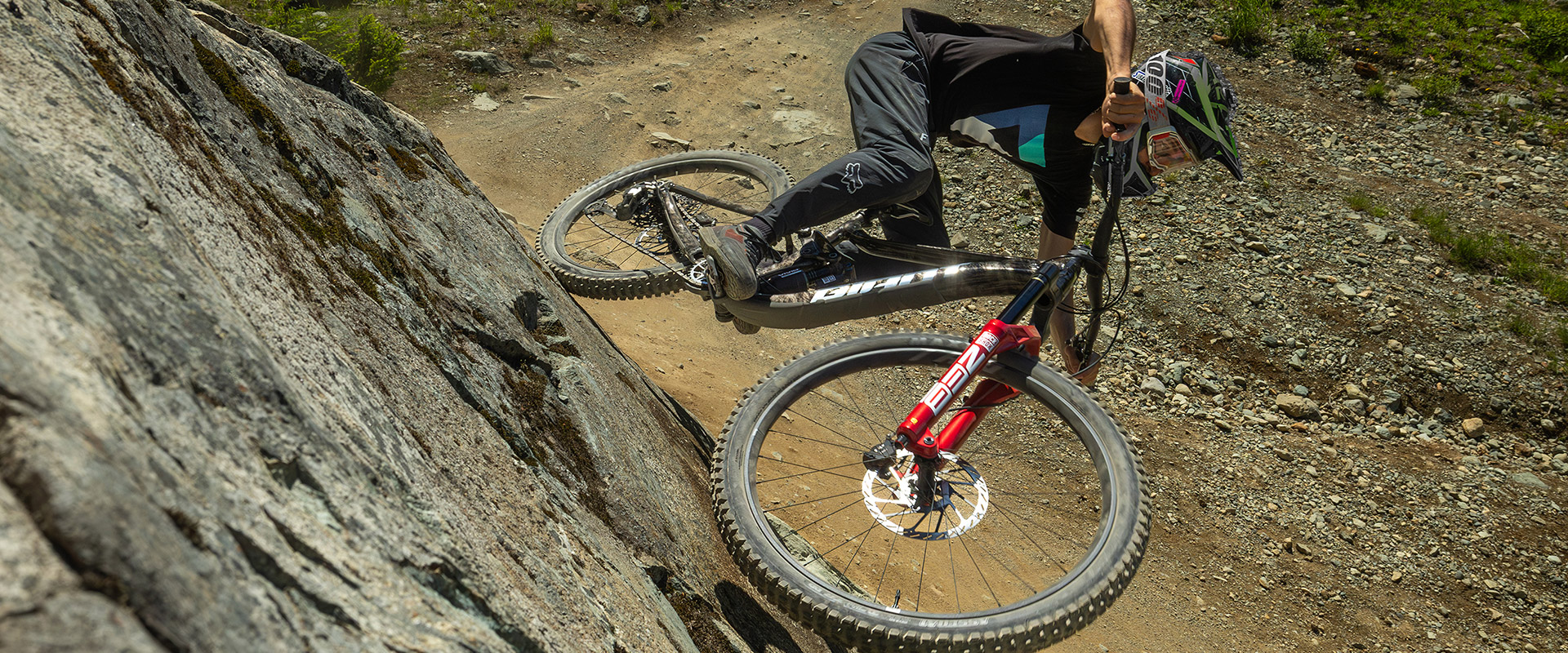
Reign SE
Reign Supreme

Big hits and all-out descents. This trail-crushing enduro machine features a unique paint treatment that makes each bike one of a kind. Its mixed wheel size, with a 29-inch front and 27.5-inch rear, blends stability and speed with agility that pops. The geometry is designed for a longer-travel 165mm rear suspension setup and a 180mm fork, giving you the upper hand on the on the rowdiest trails and bike park terrain.
Key Performance Factors
RACE-BRED SUSPENSION
The Maestro rear suspension eats up enduro terrain with 165mm of smooth, active rear travel matched with a 180mm travel fork. The trunnion mount rear shock has a longer stroke while the Advanced Forged Composite upper rocker arm adds stiffness and lowers overall frame weight.
ADJUSTABLE ENDURO GEOMETRY
A flip chip feature lets you adjust frame geometry depending on the terrain. You can select a 62.6 or 63-degree head angle and corresponding 77.4 or 77.8-degree seat tube angle, resulting in a 20 or 15mm bottom bracket drop (size medium) to fine-tune handling for varying trail conditions and riding style.
MIXED WHEEL SIZE
A 29-inch front wheel provides speed, stability and front-end control on rough, technical trails. A 27.5-inch rear wheel adds agility and maneuverability to help riders rail corners, pop over features and show off their style.
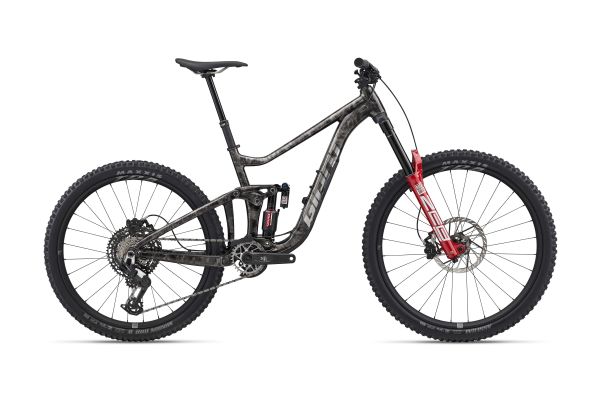
Highlights
This gravity-focused enduro machine features a lightweight, stiff and super-strong ALUXX SL frameset with a unique paint treatment that makes each bike one of a kind. The geometry is updated to provide added suspension travel in the rear (165mm) along with a 180mm fork to take on the roughest trail conditions. You can adjust the geometry with a flip chip that lets you switch the head tube and seat tube angles, along with bottom bracket drop, to dial in the handling for your riding style and terrain. And a new integrated down tube storage feature provides convenient carrying capacity for on-trail essentials.
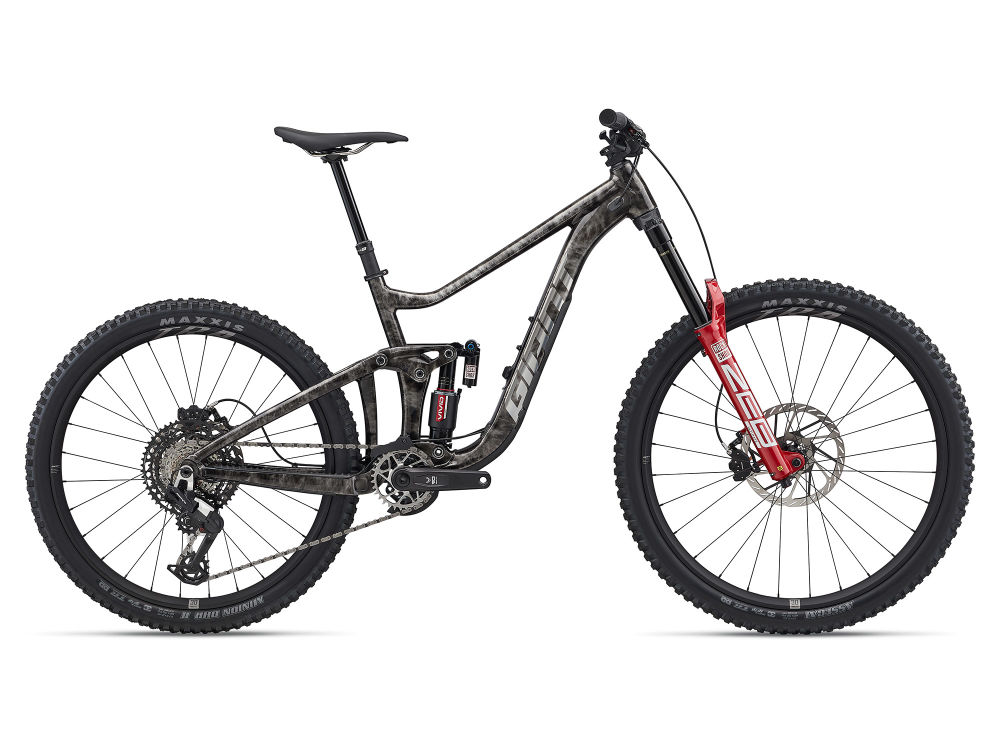
1
Maestro Suspension
Four strategically positioned pivot points and two linkages all work together to create a single floating pivot for the most active, efficient and independent suspension system on the trail.
2
Aluxx SL Aluminum
This state-of-the-art aluminum material is made predominantly from 6011 alloy and delivers best-in-class strength-to-weight ratios. The frameset features unique welding technologies for a high-performance ride quality.
3
Advanced Forged Composite
A state-of-the-art high-pressure molding process is used to produce the carbon fiber upper rocker link that’s lighter, stiffer and stronger than aluminum.
4
Adjustable Enduro Geometry
A flip chip feature lets you adjust frame geometry depending on the terrain. You can select a 62.6 or 63-degree head angle and corresponding 77.4 or 77.8-degree seat tube angle, resulting in a 20 or 15mm bottom bracket drop (size medium) to fine-tune handling for varying trail conditions and riding style.
5
Boost Technology
Wider hub spacing (110mm front / 148mm rear) results in stiffer wheels for added control plus more tire clearance and an improved chainline for optimal drivetrain performance.
6
Trunnion Mount
New shock mount produces a lower leverage ratio for increased pedaling and braking efficiency, plus a lower center of gravity and shorter chainstays for improved handling, climbing and agility.
7
Megadrive
A massive down tube and oversized top tube work in unison to provide superior front end lateral and torsional steering precision. The precisely engineered, rectangular shaped down tube yields unprecedented steering and pedaling stiffness.
8
Powercore
A massively oversized bottom bracket area features a fully integrated, 92mm wide design. Asymmetric chainstays provide additional stiffness on the driveside and stability on the non-driveside.
9
Overdrive
Giant’s proven oversized fork steerer tube technology. Designed to provide precise front-end steering performance, the system’s oversized headset bearings (1 1/2” lower and 1 1/8” upper) and tapered steerer tube work in conjunction to provide optimal steering stiffness.
10
Giant Tubeless System
Integrated Tubeless WheelSystem and tires delivers improved efficiency, comfort and control in the most user-friendly and reliable system.
11
Integrated Frame Storage
Easily accessible compartment inside the down tube includes a water-resistant bag to protect tools, snacks or other essentials..